Author: Bevy Dev

  • Why Pinterest Should Be in Your Full-Funnel Media Mix in 2025

    Why Pinterest Should Be in Your Full-Funnel Media Mix in 2025

    In the world of digital advertising, platforms like Meta, TikTok, and Google dominate most media plans. Pinterest is often overlooked, or worse, misunderstood. Many businesses still view Pinterest as a digital scrapbook for hobbyists, useful only for branding or top-of-funnel awareness. That mindset is outdated and leaves serious performance on the table.

    Pinterest has evolved into a full-scale advertising platform with a unique blend of intent, discovery, and conversion potential. In 2025, the platform is no longer just a playground for inspiration, it is a powerful engine for measurable business results across the entire customer journey.

    This blog will explore why Pinterest belongs in your media mix, not as an optional experiment, but as a strategic full-funnel channel. You will discover how Pinterest supports every stage of the funnel, how it compares to other platforms, and what practical actions your business can take to turn Pinterest into a consistent performance asset in 2025.

    Pinterest in 2025 – The Underdog with Serious Muscle

    Pinterest in 2025 is not the same platform it was even three years ago. While it once operated on the sidelines of the advertising ecosystem, today it holds a unique position in the media mix, combining the precision of search intent with the influence of visual discovery.

    The audience of Pinterest is now more commercially active than ever. Over 480 million people use Pinterest each month to plan purchases, explore ideas, and research solutions. These are not passive users. They arrive with intention. Whether it is a skincare routine, a living room remodel, or a seasonal gift idea, users come to Pinterest searching for outcomes. That intent is the foundation of performance.

    From an advertising standpoint, Pinterest has doubled down on tools that matter to marketers. It has improved its keyword-based search ads, upgraded conversion tracking with the Pinterest Tag, and expanded shopping integrations with platforms like Shopify, WooCommerce, and Magento. The platform has also leaned heavily into visual-first ad formats that drive deeper engagement, such as Idea Pins and Video Pins.

    Perhaps most importantly, content on Pinterest lives longer. A single well-optimized pin can generate traffic and conversions for months, not hours. This is fundamentally different from short-lived performance windows on platforms like TikTok or Meta.

    In a landscape crowded with fleeting trends and oversaturated ad space, Pinterest offers long-lasting visibility, qualified intent, and underpriced reach.

    The Full-Funnel Framework – What Most Businesses Get Wrong

    Most businesses still treat Pinterest as a top-of-funnel platform, a place to showcase mood boards, visual inspiration, or aesthetic storytelling. That is only partially true, and that outdated view is precisely why many brands fail to unlock the full value of the platform.

    Pinterest is not just for awareness. It is a search and discovery engine built on intent. People use Pinterest to plan, to compare, and to prepare for action. The user behavior is fundamentally different from the passive scrolling seen on most social platforms. That intent-rich mindset makes Pinterest effective across every stage of the marketing funnel, not just the introduction phase.

    Here is where businesses often fall short:

    • They run upper-funnel ads but do not install the Pinterest Tag to capture conversions.
    • They post visually appealing content but ignore keyword targeting that captures consideration.
    • They promote seasonal ideas but fail to build out catalogs for shopping-based intent.
    • They focus only on inspiration, not transaction.

    This fragmented execution results in missed conversions, underperforming campaigns, and undervaluing the platform. The truth is, Pinterest can drive outcomes at every level, awareness, consideration, conversion, and even retention (if integrated correctly into a full-funnel strategy).

    Pinterest Across the Funnel – How to Activate Each Stage with Precision

    Pinterest is uniquely positioned to support every phase of the marketing funnel, but it requires strategic alignment between content, targeting, and ad format. Below is a stage-by-stage breakdown of how businesses can activate Pinterest as a full-funnel platform in 2025.

    1. Awareness Stage: Capture Attention with Visual Discovery

    At this stage, the goal is to introduce your brand, product, or solution to new audiences. Pinterest is one of the most effective platforms for this because it blends visual exploration with algorithmic reach.

    What to do:

    • Publish Idea Pins to highlight educational, seasonal, or lifestyle content that connects with aspirational interests.
    • Use broad interest targeting to align with top-level themes such as wellness, fashion, home decor, or fitness.
    • Leverage Pinterest Trends to discover seasonal spikes and keywords that attract early discovery.

    2. Consideration Stage: Influence Decision-Making with Searchable Value

    At this point, users are actively comparing ideas, saving products, and building intent. Pinterest becomes a search engine, functioning more like Google than Instagram.

    What to do:

    • Promote Keyword Pins targeting mid-funnel queries such as “best office desk for small space” or “natural skincare routine.”
    • Create boards that act as curated mini-hubs (e.g., “Spring Capsule Wardrobe” or “Minimalist Home Office”).
    • Use video pins to show product use-cases or “how-to” demos.

    3. Conversion Stage: Turn Intent into Transactions

    Contrary to common belief, Pinterest is not just a discovery platform. It converts. Especially with Shopping Ads, advanced catalog integration, and keyword-triggered campaigns, Pinterest can drive sales directly from the platform.

    What to do:

    • Set up your Pinterest Shopping Catalog to create Product Pins linked directly to your store.
    • Use Conversion Campaigns optimized for checkout events, with the Pinterest Tag fully implemented.
    • Deploy retargeting campaigns to reach users who previously saved or clicked on your content but did not convert.

    4. Retention Stage: Keep Your Brand Top-of-Mind

    Pinterest is not only for acquiring new customers, it can also support repeat engagement. Users return to Pinterest repeatedly to build on earlier interests and update plans.

    What to do:

    • Use custom audience targeting to re-engage past site visitors or previous customers.
    • Refresh your boards and pins with seasonal content or new arrivals.
    • Post educational pins related to the product experience (e.g., “How to style this dress three ways” or “Product care tips”).

    Pinterest becomes a high-leverage channel when businesses stop treating it like a digital magazine and start using it like a search engine with visual depth. The right strategy unlocks results at every level.

    Pinterest vs Other Platforms in the Funnel – Where It Outperforms

    Every platform claims to support the full funnel. But most rely on either interruption-based discovery or short-term performance windows. Pinterest is different—because it blends intent-driven search with evergreen visual content, positioning it uniquely across the buyer journey.

    Discovery on Pinterest vs Meta or TikTok

    On Meta and TikTok, users scroll primarily for entertainment. Your brand interrupts their feed. Even if the creative is strong, the user was not actively looking for a solution—they were killing time.

    Pinterest flips that dynamic. The audience comes with purpose. They are searching, planning, comparing. Your ad does not feel like an interruption. It feels like a solution discovered on their own terms.

    Search Intent on Pinterest vs Google

    Pinterest functions like a visual search engine. But unlike Google, where search results vanish into cluttered ads and SEO wars, Pinterest offers clean, visual, organized results. And while Google clicks tend to spike and disappear, a well-positioned pin can resurface months later and continue driving conversions.

    Content Longevity on Pinterest vs Short-Form Video Platforms

    On TikTok, Instagram, and even YouTube Shorts, content lifespan is short. If it does not perform in the first 24 to 48 hours, it disappears into the algorithm.

    Pinterest content compounds. One pin can drive impressions and traffic for months with zero additional spend. That makes Pinterest highly cost-efficient, especially for brands with evergreen products, content marketing strategies, or seasonal cycles.

    5 Strategic Reasons to Add Pinterest to Your 2025 Media Mix

    If you are planning your 2025 media budget and still treating Pinterest as optional, you are leaving serious growth potential untapped. Below are five compelling reasons to give Pinterest a permanent, strategic seat at the table.

    1. Users on Pinterest Arrive with Intent

    Pinterest users are not browsing aimlessly. They come to the platform with questions, ideas, and needs who are actively searching for inspiration tied to future action. Whether they are remodeling a kitchen, planning a wedding, or researching skincare routines, their intent is already engaged.

    2. Pinterest Content Has a Long Shelf Life

    Unlike short-form content that expires within hours, Pinterest pins continue to circulate, be discovered, and drive traffic for weeks or even months. That means a single well-optimized pin or campaign can deliver compounded return on investment without ongoing budget increases.

    3. Advertising Costs Are Still Underpriced

    Compared to Meta or TikTok, Pinterest often offers lower cost-per-click and cost-per-conversion, particularly in under-saturated verticals. Early adopters who build mature Pinterest strategies now will benefit from this efficiency before competition increases.

    4. Seamless Integration with eCommerce Platforms

    Pinterest integrates directly with Shopify, WooCommerce, and other commerce platforms, allowing product feeds to sync into shoppable catalogs with ease. It also supports dynamic retargeting, shopping tags, and catalog-based campaign structures.

    5. Pinterest Aligns with High-Growth Niches

    If your business operates in home improvement, fashion, beauty, wellness, food, parenting, education, or lifestyle, Pinterest is not a nice-to-have. It is a priority channel. These are the core interest categories where users spend the most time and money on Pinterest.

    Pinterest is not a trend. It is the infrastructure for modern discovery. Smart businesses are not asking if Pinterest works. They are asking how fast they can scale it.

    The Window of Opportunity Is Now

    Pinterest has quietly evolved into one of the most underestimated yet high-leverage platforms in digital marketing. It combines the intent of search with the emotional power of visual content. It supports the full customer journey, from first inspiration to final purchase, and does so in a way few platforms can match.

    In 2025, ignoring Pinterest is no longer a safe bet. Businesses that continue to treat it as a top-of-funnel experiment will fall behind. Those that recognize its strategic potential, build around its strengths, and allocate budget accordingly will gain a long-term performance edge.

    This is not about chasing trends. It is about anchoring your media mix in platforms that compound value over time. Pinterest is one of them.

    If you are rethinking your media strategy this year, ask yourself not whether Pinterest belongs in the plan, but how much market share you are willing to give up by leaving it out.

    Now is the time to act.

  • Making Every Tap Count

    Making Every Tap Count

    The Reality of Digital Attention

    Let’s be honest, people don’t really browse anymore. They scroll, swipe, tap… and bounce.

    You’ve got seconds (sometimes less) to make a moment matter.

    That’s why at Bevy, we obsess over the small stuff, because it’s the small stuff that moves people.

    What Making Every Tap Count Means

    It means:

    → A button that loads instantly – not after a sigh.

    → A product page that speaks human – not lorem ipsum

    → A flow that just feels easy – like it gets them.

    Every tap is a tiny decision. 

    So we treat every tap like it matters the most. Because it does.

    Our job?

    Making sure nothing gets in the way of that next tap.

    → Not a confusing layout.

    → Not a slow page.

    → Not a dead-end product page.

    In-short, just smooth, clear, “oh-that-was-easy” moments, from start to finish.

    Why it matters

    You don’t need more traffic.

    →You need better outcomes from the traffic you already have.

    You don’t need 50 more features.

    →You need fewer dead ends.

    You don’t need hacks.

    →You need a flow that earns the next tap — again and again.

    Lets Do The Real Talk

    People don’t convert because your product is amazing (even if it is).

    They convert because the experience made sense — at every step with ease.

    From first click to final checkout.

    That’s what we do at Bevy. We work along with brands making every tap count.Because attention is borrowed.

    But trust? That’s earned. Tap by tap.

  • Shopify’s AI Revolution: How Smart Features Are Redefining E-Commerce

    Shopify’s AI Revolution: How Smart Features Are Redefining E-Commerce

    Introduction

    Shopify has always been about making entrepreneurship easier. Now, it’s doubling down on that promise by introducing a suite of AI-powered tools that are changing how online stores are built, run, and scaled.

    Why is Shopify leaning towards AI features?

    It comes down to two words: customer expectations. E-commerce has changed a lot in the last decade. It isn’t just about posting dynamic product photos anymore. Today’s shoppers expect fast delivery, tailored product recommendations, and crisp, clear descriptions that answer their questions before they even ask. Expectations are higher, and AI is the scalable solution.

    What Can Shopify’s AI Actually Do?

    Running an online store is a juggling act: product listings, customer service, marketing, inventory management… it’s a lot. Shopify’s new AI tools are like having a smart assistant that never sleeps.

    Here’s what’s new:

    Content That Writes Itself

    • Auto-generates product descriptions
    • Writes compelling email subject lines and copy
    • Suggests blog topics and website content

    Shopify Sidekick – Your AI Store Assistant

    Sidekick is a conversational AI tool for merchants. You can ask it:

    • “Which product is trending right now?”
    • “What’s my current inventory status?”
    • “What promotions might boost sales this week?”
    • “Suggest discounts based on low-performing items.”

    It’s like having a data analyst, marketer, and store manager all rolled into one.

    Smarter Customer Support with AI

    Shopify Inbox now uses AI to power automated, intelligent responses across multiple platforms. Whether confirming orders, sharing product availability, or answering customer queries, AI ensures your store stays responsive, even when you’re offline.

    AI-Powered Personalization

    With the Shopify Search & Discovery app, AI takes product recommendations to the next level:

    • Smarter suggestions based on user behavior and past purchases
    • Search that catches typos and delivers what customers meant to find
    • Dynamic product prioritization based on profitability, inventory, or seasonality
    • Data insights to track performance and predict trends
    • Smarter inventory management tied directly to demand

    Shopify’s AI features are doing more than streamlining business, they’re reimagining what e-commerce can be. From smarter operations to personalized customer experiences, Shopify is giving merchants the freedom to focus on what matters: creating great products and growing their business.

    Every business still needs the human touch. Whether it’s making smart decisions or solving real-world problems with customers, AI isn’t always the final answer. But when you strike the right balance between automation, machine learning, and human expertise, that’s where the magic happens. And that’s exactly what Shopify has achieved with its latest AI-powered innovations.

  • Design That Delivers: Why Performance Is Overtaking Aesthetics

    Design That Delivers: Why Performance Is Overtaking Aesthetics

    Introduction

    Not long ago, a visually stunning website was enough to turn heads. Sleek layouts, trendy fonts, and eye-catching images could carry a brand far. But those days are behind us.

    In today’s fast-paced digital world, users scroll quickly, demand instant answers immediately, and will abandon anything slow or confusing. A beautiful website still matters, but it’s just the beginning.

    The Shift Toward Performance

    Design today is about more than looks. We’re in the era of performance-driven design, where usability, speed, and conversion take center stage. The question is no longer “Does it look good?” but “Does it work for the people using it?”

    What Is Performance-Driven Design?

    At its core, performance-driven design is where function meets purpose. It’s not just about aesthetics; it’s about building websites that are fast, intuitive, and built to convert. Every design choice, from button placement to copy tone, is driven by strategy and data.

    This approach prioritizes:

    • Fast load times
    • Clear messaging
    • Simple navigation
    • Mobile-first design
    • Strategic CTAs

    It’s about making your website work for your audience. Not just to impress them, but to guide, serve, and convert.

    Why the Change?

    User behavior has changed, and with that, so has their expectations. People care more about efficiency over elegance. Here’s what they expect:

    • Speed: 53% of mobile users will leave if a site takes more than 3 seconds to load.
    • Clarity: If users can’t immediately understand what you do, they’ll move on.
    • Simplicity: Overcomplicated sites lose visitors.
    • Mobile-first: Most people browse on their phones—your site needs to look great and work flawlessly there.
    • Clear action: Make it easy to buy, sign up, or reach out.

    The 5 Ingredients of Performance-Driven Design

    1. Speed Is Everything

    Slow sites lose users. Designers and developers must collaborate to optimize load times and keep visitors engaged.

    2. Get to the Point

    People are busy. Communicate your value clearly, quickly, and confidently.

    3. Keep It Simple

    Navigation should be intuitive, with key content placed where users expect it. Every page should answer a question or lead to an action.

    4. Design for Results

    It’s not about clicks, it’s about conversions. Test different layouts, CTAs, and content to see what drives real action.

    5. Prioritize Mobile

    If your site doesn’t work on mobile, it doesn’t work—period. Make sure buttons are tappable, text is readable, and nothing breaks on small screens.

    Gone are the days of designing by instinct. Performance-driven design relies on data-backed decisions:

    • What are users clicking?
    • Where are they dropping off?
    • What content converts?

    A/B testing is your best friend. If red buttons perform better than blue, use red. If users leave a page quickly, find out why and fix it. Data isn’t the enemy of creativity, it sharpens it.

    Keep the Human Touch

    Performance-driven doesn’t mean robotic. Your site should still reflect your brand personality, it just needs to do it strategically. Use plain language, write like you’re talking to your audience, and include moments of surprise and delight, so long as they serve the user, not distract from the goal.

    When Data Meets Design

    Performance-driven design blends analytics with aesthetics. Tools like Google Analytics, Mixpanel, and Hotjar show what’s working and what’s not, so you can design with intention and constantly improve.

    Getting Started: A Quick Roadmap

    1. Define your goals – What’s the purpose of your site?
    2. Know your audience – What do they want and where do they struggle?
    3. Let data guide you – Use tools to inform design decisions.
    4. Test and iterate – A/B test everything.
    5. Collaborate – Bring marketers, designers, and developers together.

    Final Thoughts

    Performance-driven design isn’t about sacrificing beauty. It’s about building websites that are beautiful and functional. Websites that tell your story, and get results.

    So next time you’re reviewing a design, don’t just ask, “Does it look good?”

    Ask: “Does it work for the people who are using it?”

  • Stop Sleeping on TikTok: It’s a Performance Channel Now

    Stop Sleeping on TikTok: It’s a Performance Channel Now

    Introduction

    TikTok has evolved from a cultural trend engine into a full-funnel performance marketing platform. While many brands still treat it as a top-of-funnel awareness tool, that mindset is outdated. In 2025, TikTok supports real conversions, purchases, leads, installs, and more.

    The platform now rivals Meta and Google with its targeting capabilities, attribution tools, and native commerce features. But many advertisers haven’t caught up. Most still optimize for views, not outcomes.

    This blog shows how to treat TikTok as a true acquisition channel, outlining the tools, frameworks, and creative strategies driving measurable results.

    TikTok in 2025: Built for Performance

    TikTok is no longer just for discovery. It’s a closed-loop performance engine with:

    1. Attribution Manager: Custom windows for click- and view-through conversions.
    2. Pixel v2 & Events API: Better signal reliability across devices; server-side tracking.
    3. CRM & Lead Form Syncing: Real-time lead integration, smarter form logic.
    4. TikTok Shop & In-App Checkout: Frictionless conversion inside the app.
    5. Granular Reporting: Scroll stop rates, thumb zone engagement, and view-through paths.

    With these tools, performance marketers can attribute, optimize, and scale end to end.

    Account Architecture: Structure for Speed, Not Segments

    Forget over-segmentation. Leading teams now consolidate campaigns and let TikTok’s algorithm scale. Winning accounts prioritize:

    • Creative Breakout Detection: Move top-performers into isolated campaign shells to scale without disrupting baseline performance.
    • Cross-Placement Testing: In-Feed, Spark, Video Shopping—all in one campaign.
    • Dynamic Retargeting Pools: Filter video viewers by engagement and refresh exclusions weekly.
    • Horizontal Scaling: Duplicate high-performing assets into new campaigns with fresh targets instead of inflating budgets.

    The result? More signal, less noise, and faster momentum capture.

    Creative That Converts

    Creative is everything and it’s no longer just about stopping the scroll. In 2025, high-performing TikTok ads:

    • Feel Native and Organic: Blend into the feed while hitting key triggers—problem framing, social proof, CTAs.
    • Lead With Relevance: Hook within 2 seconds. No slow builds or branding intros.
    • Sequence Messaging: Move users through funnel stages with shifting tactics—from emotion to proof to urgency.
    • Use UGC + Creator Whitelisting: Pair trust with optimization control. Performance UGC is now scripted, templated, and tested.

    Creative is not an aesthetic, it’s a growth lever.

    Optimization in Real Time

    Today’s TikTok optimization goes beyond CPC and last-click. It’s about:

    • Early Signal Analysis: Scroll-stop rate, view-to-click ratio, 3-second hold rate: act fast, scale faster.
    • Custom Attribution Windows: Match intent with window length. High intent? Go short. Low intent? Go longer.
    • Event Optimization: Don’t just track purchases, optimize for predictive micro-events like scroll depth or time-on-site.
    • Creative Feedback Loops: Use what works, visually and message-wise, to inform the next round of creative.

    Smart teams treat data as both diagnostic and directive.

    TikTok Belongs on the Performance Plan

    Brands that connect creative, media buying, and real-time optimization are winning. Those still chasing vanity metrics, or keeping TikTok siloed from their performance stack, are missing out. Treat TikTok like Meta. Like Google. Like your best converter.

    Because now, it is.

  • Performance Max: A Shift Towards Transparency

    Performance Max: A Shift Towards Transparency

    Introduction

    For the past three years, Google’s Performance Max has offered advertisers reach and scale through automation, but often at the cost of control. Targeting, budget distribution, and delivery insights were largely opaque. That trade-off created friction.

    Now, Google is responding. With the rollout of channel-level reporting, deeper search term visibility, and asset-level performance insights, we’re seeing a philosophical shift towards transparency. These aren’t just interface upgrades, they mark a meaningful pivot toward advertiser empowerment.

    Here’s why each update matters.

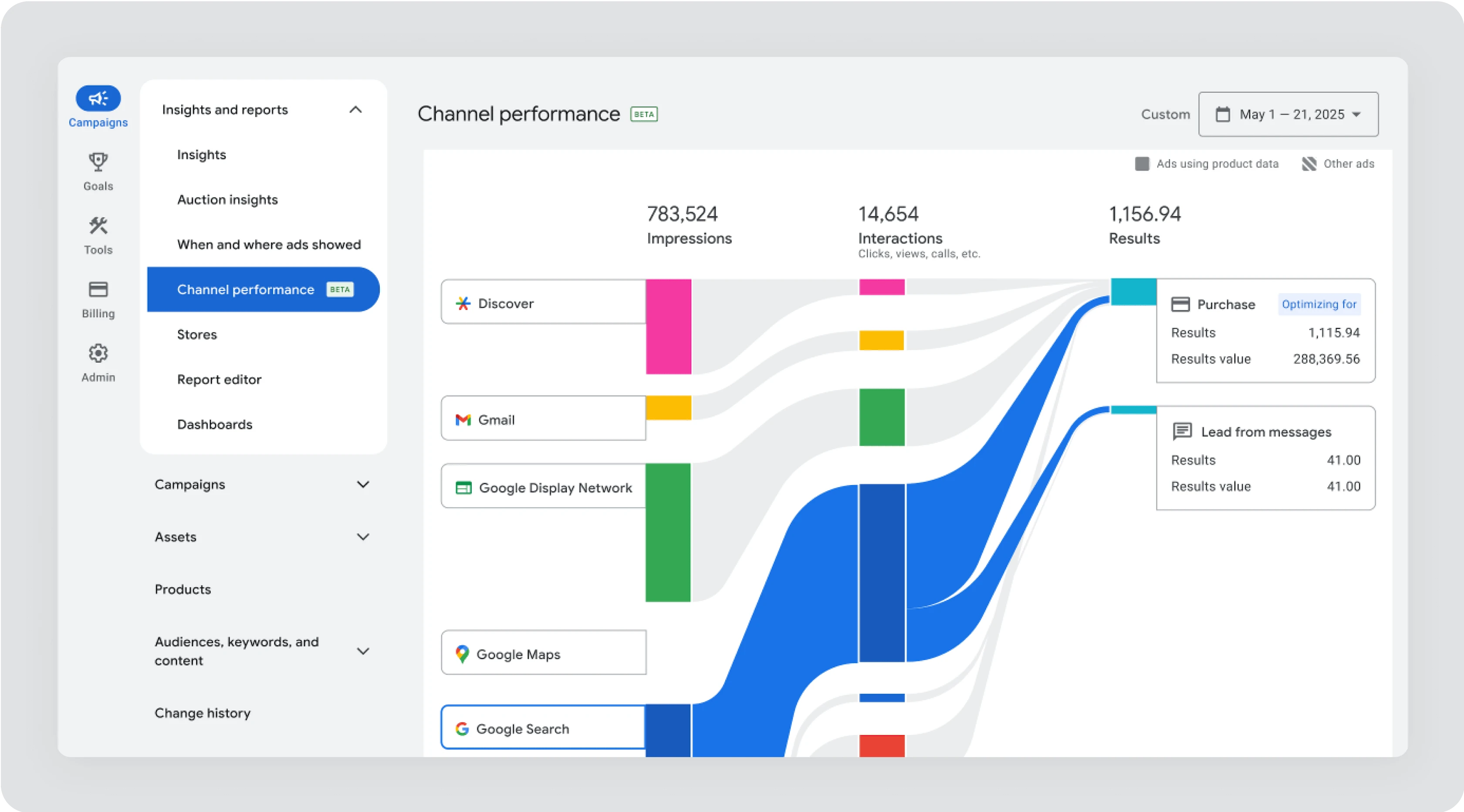
    Channel-Level Reporting Brings Clarity Across Networks

    Being able to break out performance by YouTube, Search, Display, and Discover is a big step forward. Before, spend and performance were lumped together, making it impossible to know what was working. Now, we can identify which placements are actually converting and optimize creative or copy accordingly.

    Blog Details 2

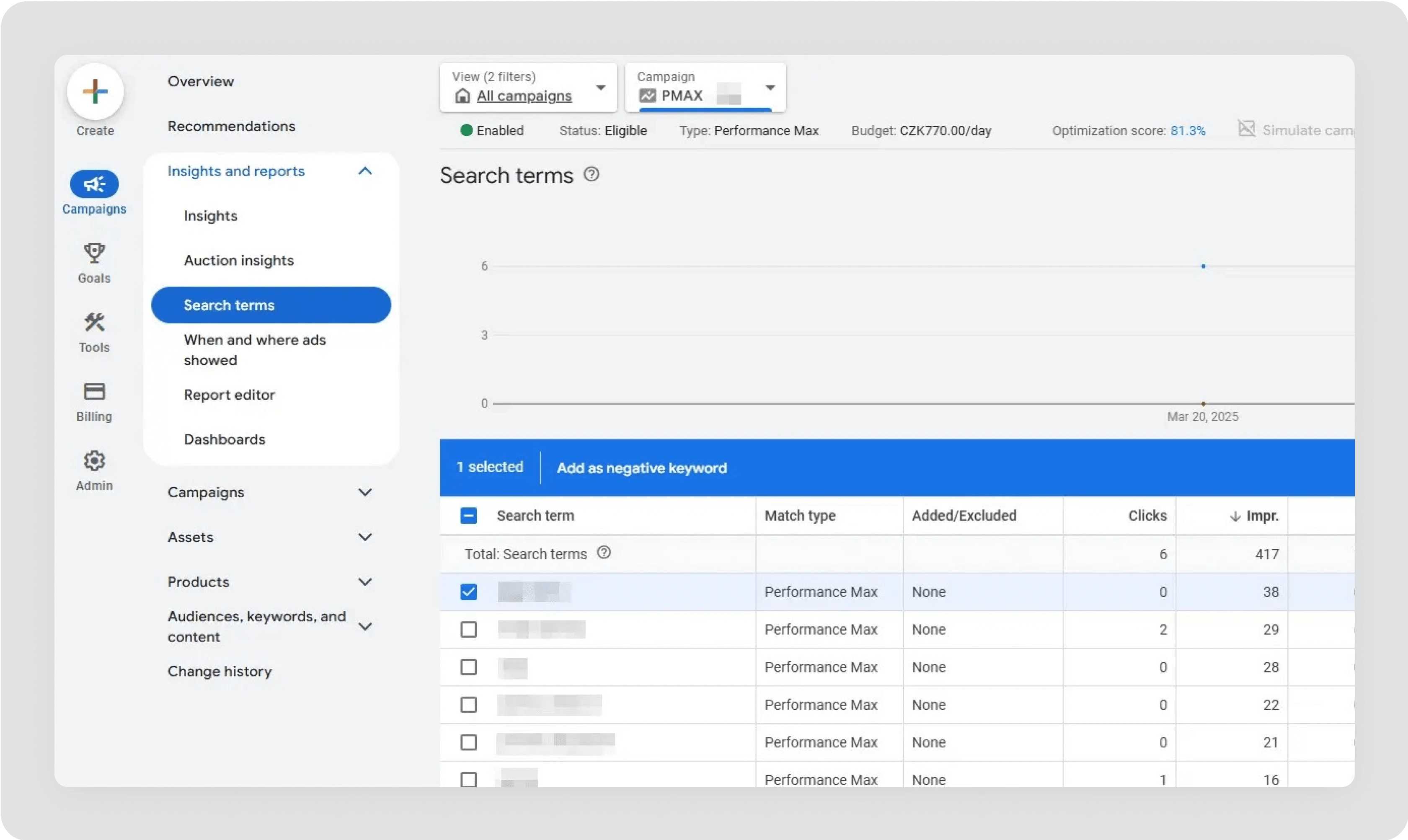
    Search Term Insights Reinforce Targeting Confidence

    With better visibility into the queries triggering ads, it’s easier to gauge intent and quality, not just volume. For advertisers focused on qualified leads, this update makes campaign inputs far more actionable. It also reinforces confidence in targeting by showing how the algorithm is interpreting signals.

    Blog Details 3

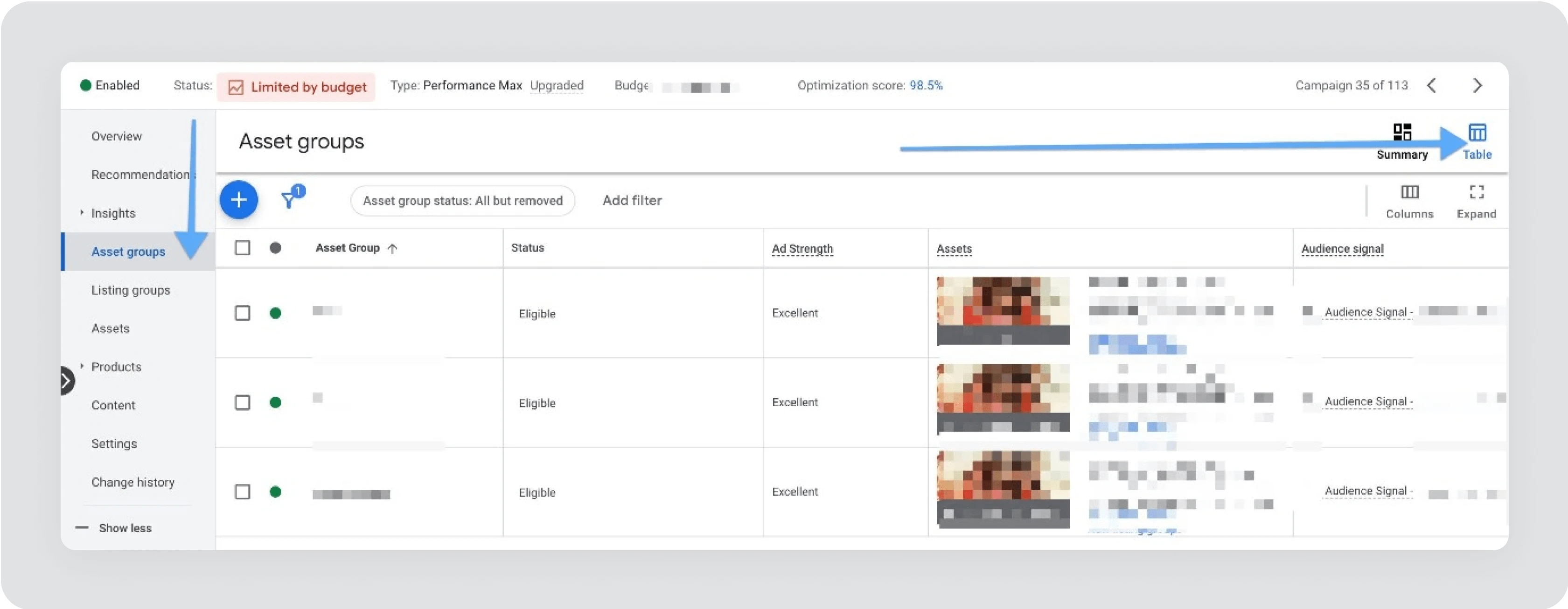
    Asset-Level Performance Unlocks Creative Accountability

    Now we can see exactly which headlines, descriptions, images, and videos are pulling their weight. That transforms creative from guesswork into a performance lever. Testing becomes more precise, and optimizations are based on real impact, not assumptions.

    Blog Details 4

    This Isn’t Just a Product Update. It’s a Strategic Pivot

    These improvements arrive at a critical time. Performance Max hit peak spend in May 2024, but that momentum has slowed. Advertisers have grown wary of pouring budget into a system they can’t fully evaluate. These updates feel like Google’s response: a signal that they’re listening, and adapting.

    Final Thoughts

    This is a welcome evolution. Google’s changes reflect the real frustrations advertisers have voiced and open the door to smarter, more confident campaign management. For brands focused on lead generation and conversions, that clarity can make all the difference.